What You Need to Know About Gardening Wisconsin
Gardening wisconsin requires understanding the state’s unique climate zones, frost dates, and seasonal transitions. Wisconsin falls within USDA hardiness zones 3b-5b, meaning your growing season is shorter than southern states but supports cold-hardy perennials and vegetables that thrive in cooler conditions. Success starts with knowing your zone and planning accordingly.
Spring Gardening Wisconsin: Planting and Preparation
Spring is the most critical season for gardening wisconsin homeowners. The average last frost date in Wisconsin ranges from mid-May in northern regions to early May in the south. Planting before this date risks losing tender seedlings to unexpected cold snaps that are common in Wisconsin springs.
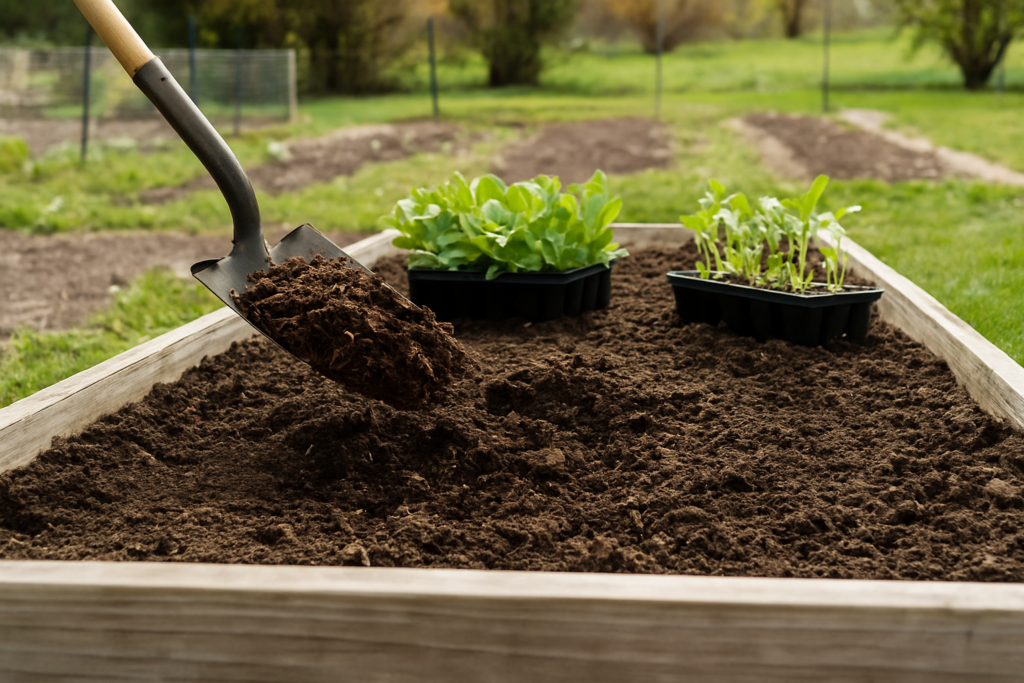
Begin soil preparation in early April by removing winter debris and testing soil pH levels using a basic soil kit from your local extension office. Soil preparation involves amending your garden bed with organic matter—compost, aged manure, or peat moss—to improve drainage and nutrient content. Work amendments 6-8 inches deep into existing soil.
Essential spring tasks for gardening wisconsin include:
- Direct sow cool-season crops like peas, lettuce, and spinach 2-3 weeks before the last frost
- Start warm-season seeds indoors 6-8 weeks before transplanting (tomatoes, peppers, eggplant)
- Prune winter-damaged shrubs and perennials once new growth appears
- Divide and transplant dormant perennials in early spring before active growth
- Apply pre-emergent herbicide to garden beds to suppress weeds
- Install drip irrigation or soaker hoses for efficient watering
Popular vegetables for gardening wisconsin gardeners include tomatoes, beans, squash, cucumbers, and root vegetables. Choose Wisconsin-adapted varieties listed as suited for zones 3-4 to maximize success rates.
Summer Care: Maintenance and Growth Management
Summer brings peak growing conditions for most plants in Wisconsin gardens. Once temperatures consistently exceed 60°F at night (typically mid-May), transplant hardened-off seedlings into the garden. Water deeply but less frequently—about 1-1.5 inches per week including rainfall—to encourage deep root development.
According to the Wisconsin State Gardeners Association, proper watering practices reduce pest and disease pressure by 40% compared to overhead sprinkler methods. Focus irrigation at soil level using drip lines or soaker hoses rather than wetting foliage.
Summer maintenance tasks for gardening wisconsin include:
- Mulch garden beds with 2-3 inches of organic mulch to retain moisture and suppress weeds
- Deadhead spent flowers on perennials and annuals to promote continuous blooming
- Monitor for common Wisconsin pests: Japanese beetles, tomato hornworms, squash bugs
- Fertilize heavy feeders (tomatoes, squash) every 2-3 weeks with balanced fertilizer
- Stake or cage sprawling plants before they require support
- Prune back leggy annuals mid-summer for bushier growth
For pest management in gardening wisconsin, combine cultural practices with targeted interventions. Hand-pick Japanese beetles in early morning, use floating row covers for young plants, and introduce beneficial insects like ladybugs and parasitic wasps. Organic options like neem oil or insecticidal soap address persistent problems while maintaining garden health.
Fall Preparation and Planting for Next Season
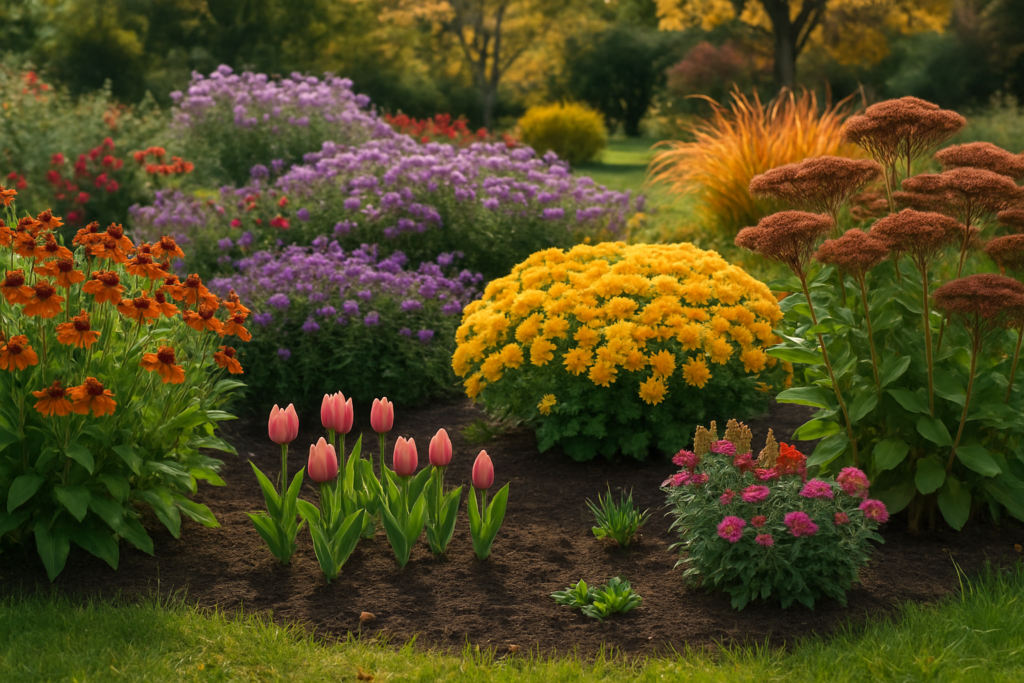
Fall transforms the gardening wisconsin landscape as temperatures cool and daylight decreases. This season is ideal for planting perennials, shrubs, and trees because soil remains warm while air temperatures moderate stress on new plantings. Plant woody ornamentals and perennials between mid-August and September to allow root establishment before winter dormancy.
Cool-season crops planted in late July through August provide fresh harvests before the first frost (typically October 1-15 in central Wisconsin). Lettuce, kale, broccoli, and spinach mature quickly as temperatures cool. Many gardeners report superior flavor in fall-grown vegetables due to slower growth and concentrated sugars.
Critical fall tasks for gardening wisconsin include:
- Plant spring-flowering bulbs (tulips, daffodils, crocuses) from September through November before ground freezes
- Cut back perennials after the first frost kills foliage, leaving stems for winter interest and wildlife habitat
- Drain and store garden hoses, irrigation systems, and outdoor faucets to prevent freeze damage
- Add fall leaves to garden beds as natural mulch and organic matter
- Clean and sharpen garden tools before storage
- Plant garlic cloves in October for summer harvest
Fall is the optimal time for major garden renovations—expanding beds, relocating plants, or installing permanent structures. Soil conditions are ideal, and plants have months to establish before spring growth demands.
Winter Protection and Planning
Winter survival depends on proper preparation during fall months. Once ground freezes (typically November-December), apply winter mulch around perennial plantings and shrubs to protect shallow roots from freeze-thaw cycles common in Wisconsin. Use 3-4 inches of shredded leaves, straw, or evergreen boughs—materials that stay in place and don’t compact.
Use winter months productively for gardening wisconsin planning. Review the past year’s garden journal, noting what succeeded and what struggled. Order seed catalogs and plan crop rotations to prevent soil-borne diseases. Design new beds, research cultivars suited to your zone, and order bareroot plants for spring delivery.
Winter activities for gardening wisconsin enthusiasts:
- Start seedlings indoors under grow lights in February for spring transplanting
- Force flowering branches (forsythia, pussy willow, crabapple) for indoor winter color
- Maintain outdoor structures and plan garden improvements
- Attend local gardening workshops and classes
- Read gardening literature and join wisconsin gardening groups
Soil Health: Foundation of Successful Gardening Wisconsin
Healthy soil is non-negotiable for gardening wisconsin success. Wisconsin soils vary by region—clay-heavy in south-central areas, sandy in glacial regions, and loamy in transition zones. Regardless of starting composition, annual organic matter additions improve structure, drainage, and nutrient availability.
Test soil every 2-3 years through the University of Wisconsin Extension program. Tests measure pH, nutrient levels, and organic matter content, providing specific amendment recommendations. Most Wisconsin gardens benefit from pH adjustment toward neutral (6.5-7.0) and consistent organic matter incorporation.
Organic matter sources for gardening wisconsin include compost, aged manure, leaf mold, and commercial soil amendments. Apply 1-2 inches annually, working into the top 6-8 inches. This practice gradually improves even heavy clay soils within 3-5 years.
Climate Zones and Plant Selection for Gardening Wisconsin
Understanding your specific zone within Wisconsin dramatically improves gardening success rates. Northern Wisconsin (zones 3b-4a) has shorter growing seasons and colder winters, favoring hardy perennials, cold-tolerant vegetables, and late-summer frost timing. Southern Wisconsin (zones 4b-5a) offers slightly longer growing seasons and milder winters, enabling a broader plant palette.
When selecting plants for gardening wisconsin, always verify zone hardiness ratings on plant labels. Choose varieties rated hardy to at least your zone to ensure winter survival. Local nurseries stock regionally appropriate plants, while native plant specialists offer ecological benefits and guaranteed hardiness.
For vegetable gardening wisconsin, select varieties explicitly marked for cool-season climates. Short-season tomato varieties, cold-hardy greens, and quick-maturing root crops outperform long-season types bred for southern regions.
Common Wisconsin Garden Challenges and Solutions
Gardening wisconsin presents specific challenges related to climate and regional pests. Wisconsin’s humid summers create fungal disease pressure—powdery mildew, leaf spot, and blight appear regularly on susceptible plants. Prevent disease through proper spacing, air circulation, and avoiding wet foliage.
Japanese beetles, native to Wisconsin, defoliate ornamentals and vegetables throughout July-August. Hand-pick beetles in early morning (they’re sluggish), drop into soapy water, or use pheromone traps placed away from desirable plants. Milky spore inoculant controls soil grubs (beetle larvae) over multiple seasons.
Rabbits and deer pressure increases in fall when food becomes scarce. Exclude rabbits with chicken wire fencing, or plant rabbit-resistant varieties. Deer require 6-8 foot fencing or combination deterrents—netting, motion-activated sprinklers, and repellent sprays applied regularly.
Tools and Resources for Gardening Wisconsin Success
Invest in quality tools designed for gardening wisconsin conditions. Essential tools include a sturdy spade or garden fork, digging hoe, rake, hand trowel, and pruners. Brands like Felco, Corona, and Spear & Jackson offer professional-grade tools worth the investment for durability and ergonomics.
Reference resources for gardening wisconsin include the University of Wisconsin Extension website (offering zone-specific guidance), local Master Gardener programs (providing free consultations), and the Wisconsin Gardeners Association. These resources answer questions about soil, pests, plant selection, and regional growing challenges.
Online platforms like the Wisconsin Native Plant Society and regional botanical gardens inspire design ideas while promoting plants suited to your zone. Local extension offices offer soil testing, pest identification, and seasonal gardening workshops throughout the year.
Getting Professional Help with Your Landscaping
While many homeowners enjoy hands-on gardening wisconsin, larger projects benefit from professional guidance. Landscape Design & Installation professionals can design comprehensive garden layouts, prepare difficult soil conditions, and install hardscaping or irrigation systems.
For ongoing maintenance support, professional lawn care and landscaping services handle seasonal tasks like spring cleanup, mulching, and fall preparation. This partnership approach—combining your gardening wisconsin interests with professional expertise—maximizes results while reducing physical demand.
When selecting professional help, verify credentials through Wisconsin licensing and insurance verification. Licensed professionals understand Wisconsin’s specific requirements, frost dates, and regional plant challenges.
Conclusion: Year-Round Gardening Wisconsin Excellence
Gardening wisconsin successfully requires understanding seasonal rhythms, regional climate characteristics, and plant requirements specific to zones 3-5. From spring soil preparation through winter protection, each season offers distinct opportunities for cultivation, maintenance, and planning. Success comes from working with Wisconsin’s natural conditions rather than against them—choosing cold-hardy plants, timing plantings around frost dates, and building soil health annually.
Whether you’re a beginner starting your first vegetable patch or an experienced gardener expanding perennial beds, the principles of gardening wisconsin remain constant: know your zone, prepare your soil, choose appropriate plants, and adapt techniques to seasonal changes. The reward is a thriving landscape that reflects Wisconsin’s natural beauty while providing fresh vegetables, beautiful flowers, and personal satisfaction throughout the year.
Frequently Asked Questions
When is the best time to start gardening wisconsin in spring?
Begin gardening wisconsin preparation in early April with soil testing and amendment. Direct sow cool-season crops like peas and lettuce 2-3 weeks before your area’s last frost date (mid-May in northern Wisconsin, early May in the south). Start warm-season seeds indoors in February-March for May transplanting.
What vegetables grow best in gardening wisconsin conditions?
Top performers for gardening wisconsin include tomatoes (short-season varieties), beans, squash, cucumbers, lettuce, spinach, kale, peas, and root vegetables like carrots and beets. Choose varieties specifically labeled for zones 3-4 to ensure they mature before Wisconsin’s first fall frost (October 1-15).
How do I protect my gardens during Wisconsin winters?
After the ground freezes, apply 3-4 inches of winter mulch around perennials and shrubs using shredded leaves, straw, or evergreen boughs. Drain irrigation systems and outdoor faucets to prevent freeze damage. Tender perennials and annuals won’t survive Wisconsin winters outdoors; dig and store or treat as annuals each year.