Hardscape softscape design is the strategic balance of hard materials like stone, concrete, and wood with living elements such as plants, trees, and flowers to create a functional and beautiful outdoor space. In Wisconsin yards, where seasonal changes are dramatic and maintenance needs vary widely, understanding how these two design categories work together is essential for creating a cohesive landscape. This guide walks you through the principles, benefits, and practical strategies for achieving perfect balance in your yard.
What Is Hardscape Softscape Design?
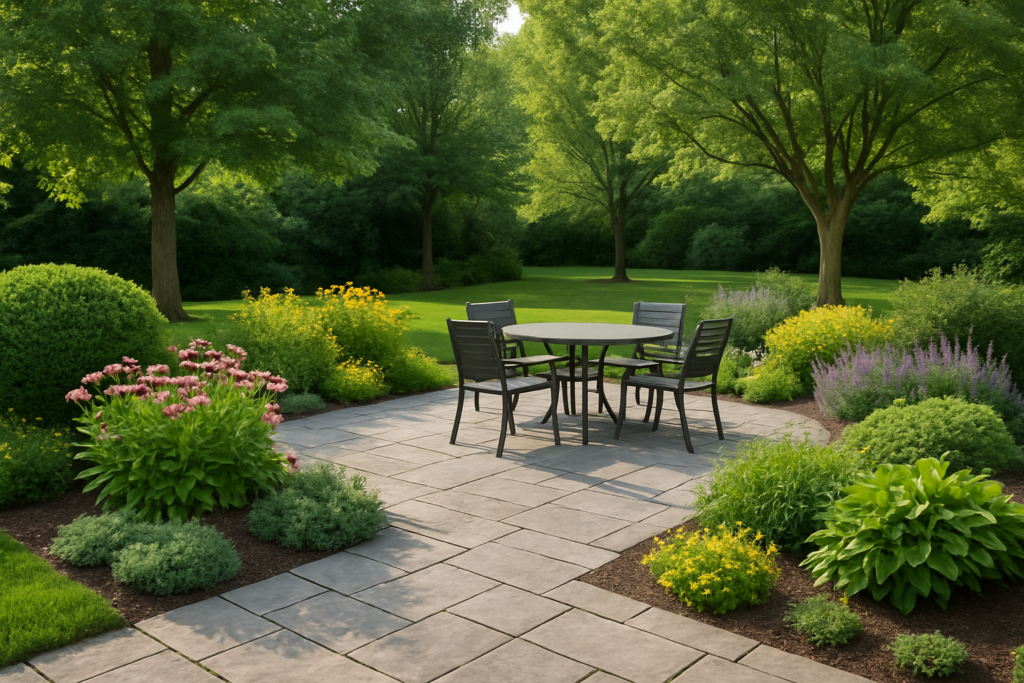
Hardscape: permanent, non-living structures in your landscape such as patios, walkways, retaining walls, driveways, pergolas, and water features. Softscape: living or organic elements including trees, shrubs, flowers, grass, and groundcovers that add color, texture, and seasonal interest to your yard.
The relationship between hardscape and softscape is complementary. Hardscape provides structure, defines space, and offers year-round visual presence. Softscape brings life, movement, and natural beauty to these architectural elements. Together, they create an outdoor environment that is both functional and emotionally satisfying.
According to the American Society of Landscape Architects, effective hardscape softscape design increases property value by 5–12% while improving outdoor usability and reducing maintenance challenges. When these elements are properly balanced, homeowners experience enhanced curb appeal, better drainage, and more enjoyable outdoor living.
Hardscape Elements and Their Role
Hardscape materials form the backbone of your landscape design. They provide permanent structure, define outdoor rooms, and create pathways that guide visitors through your yard.
Common Hardscape Materials
- Natural Stone: flagstone, slate, limestone—durable and weather-resistant in Wisconsin winters
- Concrete and Pavers: cost-effective, customizable colors, excellent for patios and driveways
- Brick: classic aesthetic, good thermal mass, appropriate for traditional yards
- Gravel and Mulch: temporary or permanent ground covering, great for pathways and planting beds
- Wood Structures: decks, pergolas, arbors—add warmth but require regular maintenance
- Water Features: fountains, ponds, streams—focal points that add movement and sound
Each hardscape element serves a functional purpose beyond aesthetics. Retaining walls manage slope and erosion, driveways provide vehicle access, and patios extend your living space outdoors. The key is selecting materials and designs that complement your home’s architecture while performing their intended function.
Hardscape in Wisconsin Climate
Wisconsin’s freeze-thaw cycles demand hardscape materials that can withstand extreme temperature changes. According to the Wisconsin Landscape and Nursery Association, porous materials like natural stone and permeable pavers perform better than solid concrete in regions with heavy freeze-thaw activity because they allow water to escape rather than accumulating and cracking. Proper installation with adequate drainage beneath hardscape is critical for longevity.
Softscape Elements: Living Landscapes
Softscape elements transform hardscape structures into living, breathing landscapes. They add seasonal color, fragrance, privacy, and wildlife habitat to your yard.
Layering Softscape for Visual Interest
- Canopy Layer (Trees): Provide overhead coverage, shade, and vertical structure. Oak, maple, and birch thrive in Wisconsin.
- Understory Layer (Shrubs): Fill space between ground and canopy. Evergreens provide year-round screening; deciduous shrubs offer seasonal color.
- Herbaceous Layer (Perennials and Groundcovers): Add color, texture, and seasonal interest at eye level and ground level.
- Groundcover Layer: Suppress weeds, stabilize soil, and define planting areas. Includes lawn, low shrubs, or ornamental grasses.
This layered approach to softscape creates visual depth and supports ecosystem health. Native Wisconsin plants like purple coneflower, black-eyed Susan, and serviceberry require less maintenance while supporting pollinators and local wildlife.
Seasonal Softscape Appeal
Wisconsin homeowners benefit from planning softscape that performs across all four seasons. Spring bloomers like tulips and forsythia brighten newly thawed yards. Summer perennials and annuals peak in color. Fall foliage from trees and ornamental grasses provides visual drama. Winter-interest plants like evergreens, red-twig dogwood, and ornamental grasses keep yards visually engaging during dormant months.
Creating Balance in Hardscape Softscape Design
The most successful yard designs maintain visual and functional balance between hardscape and softscape elements. This balance varies by personal preference and lifestyle, but several principles apply universally in hardscape softscape design.
The 60/40 Rule
A common starting point for hardscape softscape design is the 60/40 principle: 60% softscape and 40% hardscape creates a landscape that feels planted and natural while maintaining functional outdoor living areas. In Wisconsin, this ratio works well because it accommodates both seasonal plant growth and the need for durable structures that withstand heavy snow and ice.
However, this is not a rigid rule. High-traffic yards, homes with multiple cars, or properties in shade-heavy locations may favor more hardscape. Conversely, cottages or gardens prioritizing privacy and natural aesthetics may skew toward 70% softscape and 30% hardscape.
Visual Continuity in Hardscape Softscape Design
Hardscape materials should echo colors and textures present in your home’s architecture. If your home features warm-toned brick, select hardscape paving materials in complementary earthy tones. Plant softscape elements that harmonize with these colors—burgundy plants near warm stone, silver-foliaged plants near cool materials.
Repetition of materials and plant varieties across your yard creates cohesion. Use the same paving material in your patio, walkways, and entryway. Plant the same shrub species in multiple locations to create visual rhythm and guide the eye through your landscape.
Wisconsin-Specific Design Strategies
Wisconsin’s unique climate, soil, and seasonal demands require specialized approaches to hardscape softscape design. Successful yards in this region account for heavy snow loads, rapid spring thaws, and variable moisture conditions.
Snow Load Considerations
- Design hardscape with slight slopes for snow and ice runoff away from home foundations
- Avoid narrow pathways that fill with snow; plan for 3–4 foot minimum widths
- Select evergreen softscape species that hold snow gracefully without breaking
- Install permeable paving systems that tolerate de-icing salt better than solid concrete
- Place hardscape structures (decks, pergolas) away from roof lines prone to snow avalanche
Proper hardscape softscape design in Wisconsin must account for winter reality rather than ignoring it. Many homeowners benefit from consulting professional landscaping services that understand local conditions.
Soil and Drainage Planning
Wisconsin soils vary widely—clay-heavy in some regions, sandy in others. Understanding your soil type is essential for selecting softscape plants and positioning hardscape elements. Heavy clay soils require hardscape to direct water away from home foundations and may call for raised planting beds filled with amended soil for softscape establishment.
Install French drains, dry wells, or rain gardens to manage runoff from hardscape surfaces. These features prevent erosion, protect your home’s foundation, and create attractive focal points that blend hardscape and softscape seamlessly.
Maintenance and Long-Term Care
The ratio and type of hardscape softscape design you choose directly impacts long-term maintenance demands. Understanding these commitments helps you design a landscape you’ll enjoy for years to come.
Hardscape Maintenance
Hardscape typically requires less frequent maintenance than softscape but demands more intensive work when needed. Annual sealing of natural stone or pavers protects them from Wisconsin’s freeze-thaw cycles. Concrete surfaces require resealing every 2–3 years and repairs for crack management. Wooden structures like decks and pergolas need staining or sealing every 3–5 years to resist rot and UV damage.
Budget for professional hardscape maintenance or plan DIY time accordingly. mulching services can protect planting beds and suppress weeds without requiring constant attention.
Softscape Maintenance Schedule
Softscape demands regular attention but offers flexibility. Deciduous trees and shrubs require annual pruning in late winter. Perennials need deadheading during growing season and cutback in fall or spring. Lawn areas demand weekly mowing during growing season and seasonal care adjustments.
The advantage: you can adjust softscape intensity year by year. If maintenance demands exceed your capacity, replace high-maintenance perennials with native Wisconsin species adapted to local conditions. Add hardscape mulch beds to reduce weeding. Scale back lawn area in favor of groundcovers or ornamental grasses.
Integrated Hardscape Softscape Maintenance
- Spring: Clean hardscape of winter debris, inspect for salt damage, prune shrubs and trees before growth begins, divide and replant perennials
- Summer: Weed planting beds, deadhead flowers, water during dry spells, power-wash hardscape surfaces if needed
- Fall: Plant spring bulbs, cut back perennials, rake leaves, seal hardscape before freeze-thaw season
- Winter: Minimal softscape work; inspect hardscape for damage, plan next season’s improvements
Consider professional lawn services to handle seasonal tasks and maintain your hardscape softscape design investment professionally.
Final Thoughts
Designing and maintaining a beautiful Wisconsin yard requires thoughtful balance between permanent hardscape structures and living softscape elements. Successful hardscape softscape design accounts for your climate, soil conditions, aesthetic preferences, and maintenance capacity. Start with the 60/40 principle, select materials and plants suited to Wisconsin’s unique environment, and plan a maintenance strategy you can sustain year-round. The result is an outdoor space that enhances your home’s value, provides functional living areas, and brings natural beauty to your property through every season.
Frequently Asked Questions
What is the difference between hardscape and softscape?
Hardscape refers to permanent, non-living structures like patios, walkways, driveways, and pergolas. Softscape includes living elements such as trees, shrubs, flowers, and grass. Together, they create a balanced landscape design that is both functional and visually appealing.
What is the ideal ratio of hardscape to softscape in yard design?
The 60/40 principle—60% softscape and 40% hardscape—is a common starting point that creates landscapes feeling naturally planted while maintaining functional outdoor living areas. However, your ideal ratio depends on your lifestyle, climate, and personal preferences, and can range from 70/30 to 50/50 depending on your needs.
Which hardscape materials work best in Wisconsin’s freeze-thaw climate?
Porous materials like natural stone, slate, and permeable pavers perform better than solid concrete in Wisconsin because they allow water to escape without cracking during freeze-thaw cycles. Brick and properly installed gravel are also excellent choices for Wisconsin yards when paired with adequate drainage.
What are the best native plants for softscape in Wisconsin yards?
Native Wisconsin plants well-suited for softscape include purple coneflower, black-eyed Susan, serviceberry, dogwood, ornamental grasses, and native shade trees like oak and maple. These plants require less maintenance, support local wildlife, and thrive in Wisconsin’s climate without extra inputs.