Finding reliable mulching services near me requires understanding how seasonal timing affects your yard’s health and aesthetics. Professional mulch application isn’t just about spreading material—it’s a strategic approach that protects soil, regulates temperature, and enhances curb appeal year-round. Wisconsin’s climate demands specific seasonal timing to maximize mulch benefits.
Spring Mulching: Foundation for Growth
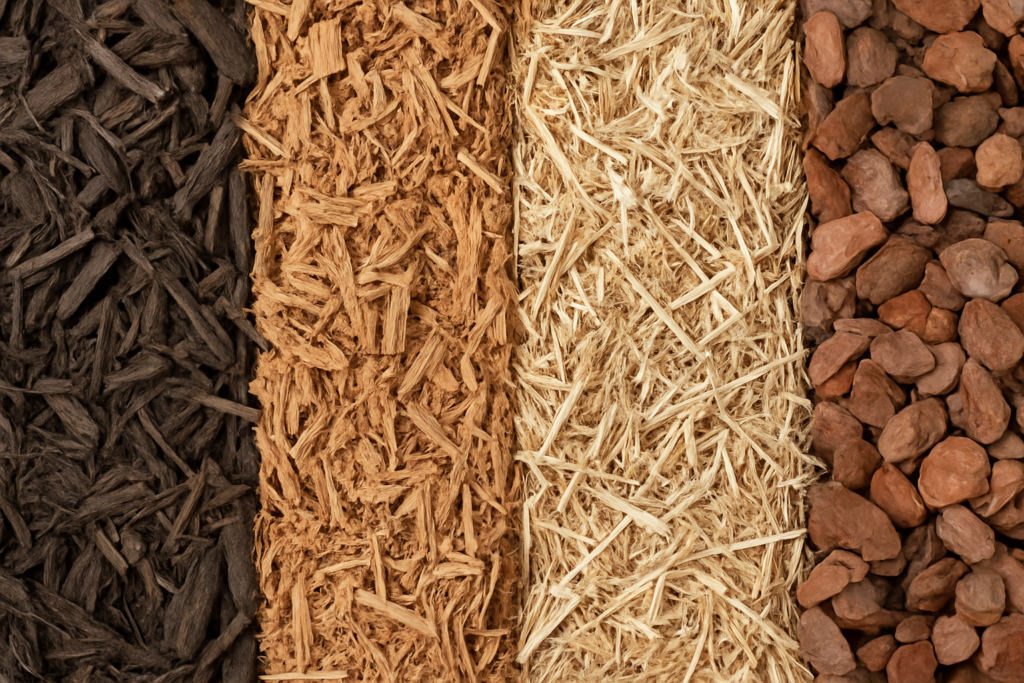
Spring is the optimal time to apply fresh mulch in Wisconsin, typically between late April and early May when soil temperatures stabilize above 50°F. This timing allows plants to establish strong root systems while the mulch layer prevents weed germination during peak growing season. Fresh mulch also helps retain snowmelt moisture that plants desperately need during spring growth.
Soil Preparation Before Spring Application
Before adding new mulch, clear winter debris and test your soil pH. Wisconsin’s naturally acidic soils benefit from wood-based mulches that slowly break down and improve soil structure. Remove old, compacted mulch layers (deeper than 3 inches) to prevent fungal issues and root rot.
Spring Mulch Depth & Spread
Apply 2–3 inches of quality mulch around trees, shrubs, and perennials, keeping it 4–6 inches away from plant stems. This prevents moisture accumulation near crowns and reduces disease risk. Professional applicators use specialized spreaders to ensure consistent depth and even coverage across larger properties.
Key takeaway: Spring mulching protects emerging plants while establishing a foundation for entire growing season success.
Summer Mulching: Heat & Moisture Management
Summer mulching services near me focus on moisture retention and temperature regulation as Wisconsin temperatures climb. Quality mulch acts as an insulating layer, keeping soil temperatures 5–10°F cooler than exposed earth while reducing water evaporation by up to 70%.
Mid-Summer Mulch Maintenance
By mid-July, existing mulch begins breaking down from heat and microbial activity. Professional landscapers recommend a 1–2 inch top-dressing application to maintain protection and suppress late-season weeds. This refresher application also improves aesthetic appeal without complete mulch replacement.
Drought Protection During Dry Spells
During Wisconsin’s occasional summer droughts, properly mulched beds require 30% less supplemental irrigation than bare soil. EPA water conservation guidelines recommend mulch as a primary water-saving strategy for landscapes.
Mulch: A protective layer of organic or inorganic material spread over soil to conserve moisture, regulate temperature, suppress weeds, and improve soil quality over time.
Key takeaway: Strategic summer mulching reduces water usage while protecting plant roots from heat stress during peak growing demand.
Fall Mulching: Preparation & Protection
September and October represent the second-best mulching window for Wisconsin properties. Fall mulching protects plant roots before winter freeze-thaw cycles and provides insulation against temperature extremes. This timing also allows decomposing mulch to release nutrients that strengthen plants before dormancy.
Preparing for Winter Weather
Fall mulching should be completed by early November, before heavy snow accumulation. Proper mulch application creates a thermal barrier that stabilizes soil temperature, preventing the damaging cycle of repeated freezing and thawing that heaves roots from the ground.
Leaf Management & Mulch Integration
Professional mulching services near me often incorporate shredded fall leaves into mulch beds, creating a nutrient-rich blend that breaks down over winter. This sustainable approach reduces yard waste while naturally enriching soil without additional fertilizer inputs.
Key takeaway: Fall mulching fortifies plants against Wisconsin’s harsh winters while building soil health through natural decomposition.
Choosing the Right Mulching Materials
Wisconsin’s climate supports several mulch types, each with distinct seasonal advantages. Understanding material properties helps homeowners select the best option for their specific landscape needs and aesthetic preferences.
Organic Mulch Options
- Hardwood Chips: Ideal for ornamental beds; slow decomposition (2–3 years) provides long-term coverage and nutrient enrichment
- Cedar/Pine Bark: Premium option with natural aromatic properties and insect deterrent qualities; excellent for acid-loving plants
- Shredded Leaves: Budget-friendly, nutrient-dense option perfect for fall application; decomposes in one season
- Compost-Based Mulch: Best for enriching poor soil; provides immediate nutrient availability for new plantings
- Wood Fiber Mulch: Excellent water retention; ideal for drought-prone areas and steep slopes
Inorganic Mulch Alternatives
- Landscape Fabric with Stone: Permanent weed suppression for high-traffic areas; doesn’t decompose but requires periodic weeding
- Rubber Mulch: Durable recycled option lasting 8–10 years; popular around playgrounds though less beneficial for soil
According to the Sustainable Landscape Network, organic mulches improve soil structure and microbial activity, making them superior long-term investments despite higher initial costs.
Key takeaway: Match mulch material type to your specific plants, climate conditions, and maintenance capacity for optimal results.
Professional Mulching Services Near Me: What to Expect
Professional mulching services near me offer expertise that DIY approaches rarely match. Experienced landscapers understand Wisconsin soil conditions, proper application depths, material selection, and seasonal timing that maximize mulch effectiveness.
Site Assessment & Planning
Professional contractors begin with comprehensive yard evaluation, measuring bed dimensions, identifying drainage patterns, and assessing existing soil conditions. This assessment determines mulch type, quantity, and application strategy customized to your property’s unique needs.
Equipment & Efficiency
Commercial-grade mulch spreaders and delivery equipment ensure consistent application and minimize labor time. Professional teams complete projects in fraction of time DIY efforts require, using specialized tools like landscape rakes and edgers for clean, finished results.
Explore comprehensive landscaping company services
Key takeaway: Professional mulching services deliver precision, efficiency, and expertise that ensure maximum return on your landscaping investment.
Year-Round Mulch Maintenance
Proper maintenance extends mulch life and maintains consistent benefits throughout all seasons. Simple practices keep mulch beds looking attractive while preserving their protective properties.
Seasonal Inspection Checklist
- Spring: Check mulch depth and add top-dressing if compressed below 2 inches; remove any winter debris and matted leaves
- Summer: Monitor moisture retention; mulch should feel moist at 2-inch depth after rain; address any bare spots immediately
- Fall: Refresh mulch before winter; ensure proper spacing around plant stems; rake out excessive leaves that can mat down
- Winter: Inspect after heavy snow events; avoid piling snow directly on mulch which causes compaction and fungal issues
Common Maintenance Mistakes to Avoid
Never pile mulch directly against tree trunks—this creates “mulch volcanoes” that promote rot and attract rodents. Avoid adding fresh mulch over old, compacted layers; remove old material first. Don’t allow mulch to exceed 4 inches depth, which restricts oxygen penetration and creates anaerobic conditions.
Professional lawn services for complete yard care
Key takeaway: Consistent seasonal maintenance ensures mulch provides continuous benefits while preventing common problems that damage plants.
Why Choose Professional Mulching Services Near Me
Wisconsin homeowners benefit significantly from partnering with professional mulching services near me that understand regional climate challenges. Professionals assess your specific landscape, recommend appropriate materials for seasonal timing, and execute flawless applications that protect your investment.
Arevalo Landscaping LLC brings decades of Wisconsin experience to every mulching project. We understand soil conditions, plant requirements, and seasonal timing specific to our region. Our team handles everything from site preparation and material selection through installation and ongoing maintenance, ensuring your yard stays healthy and beautiful year-round.
Learn about gardening and landscape care services
Ready to transform your yard with professional mulching services near me? Contact our team today for a free assessment and custom seasonal mulching strategy designed specifically for your Wisconsin property.
Frequently Asked Questions
How often should I apply mulch to my Wisconsin landscape?
Apply fresh mulch once yearly during spring (April–May) or fall (September–October). Add light top-dressing in mid-summer if mulch compresses below 2 inches. Organic mulch decomposes gradually, requiring annual refreshing, while premium materials like cedar bark may extend intervals to 18–24 months.
What’s the best mulch for Wisconsin’s climate?
Hardwood chips and shredded bark work best for Wisconsin yards because they decompose slowly (2–3 years), providing sustained benefits through harsh winters. Cedar and pine bark offer additional insect deterrent properties. Choose based on your specific plants—acid-loving plants like azaleas prefer bark mulches, while general ornamentals thrive with hardwood chips.
Can I apply mulch during winter?
Winter mulch application is not recommended in Wisconsin. Frozen ground prevents proper soil contact, and snow cover makes application impossible. Fall application (by November) provides winter protection, while spring application (late April–May) supports growing season needs. Attempting winter application wastes material and money.
How deep should mulch be applied?
Apply mulch 2–3 inches deep for optimal weed suppression and moisture retention. Never exceed 4 inches, which restricts oxygen and promotes fungal issues. Keep mulch 4–6 inches away from tree and shrub stems to prevent rot. Professional installation ensures consistent depth across entire bed for maximum effectiveness.