Drought resistant landscaping Wisconsin is the practical approach to creating beautiful yards that thrive with less water—a solution every homeowner should consider, especially as climate patterns shift. By selecting native plants, implementing efficient irrigation, and redesigning your landscape layout, you can reduce water consumption by up to 50% while maintaining visual appeal. This guide walks you through proven strategies used by professional landscapers across Wisconsin.
Water-Smart Plants for Wisconsin Climates
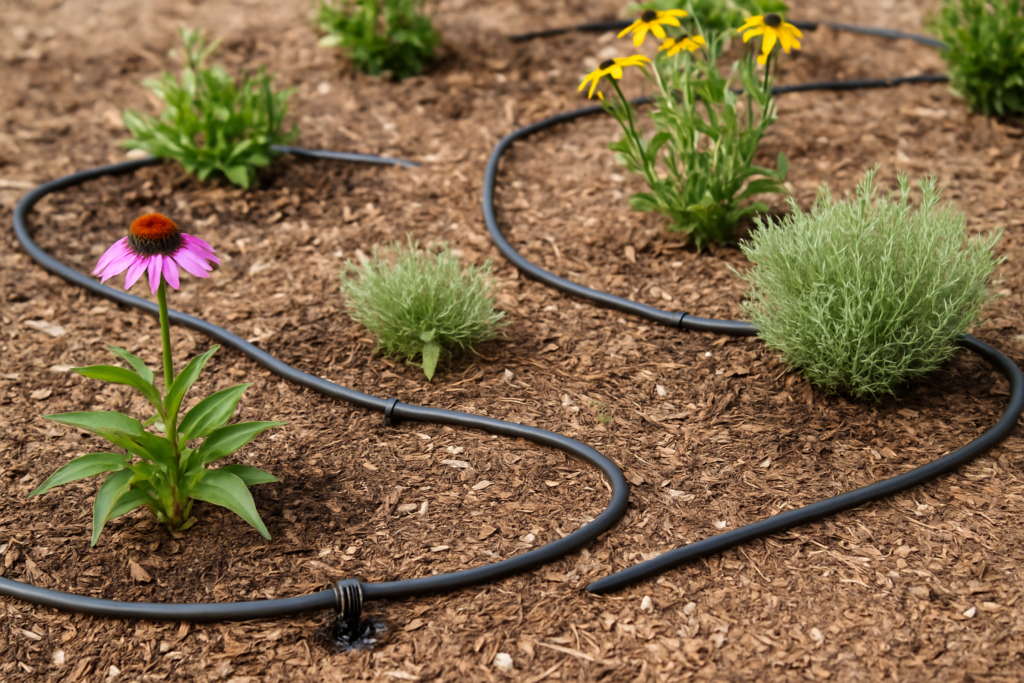
Wisconsin’s USDA hardiness zones (3b to 5b) offer excellent opportunities for drought resistant landscaping Wisconsin that uses native and adapted perennials. These plants have naturally deep root systems and require minimal supplemental watering once established.
Top 7 Drought-Tolerant Plants for Wisconsin Yards
- Black-eyed Susan (Rudbeckia): A native Wisconsin wildflower that blooms July through September with minimal water needs. Once established, it survives on rainfall alone and attracts pollinators.
- Butterfly Weed (Asclepias tuberosa): A native perennial with deep taproots that access moisture deep in soil. Its orange flowers bloom mid-summer and support monarch butterfly migration.
- Coreopsis (Tickseed): Produces bright yellow flowers from June to frost with almost no supplemental water required. Thrives in sandy or poor soils where other plants struggle.
- Sedum (Stonecrop): Hardy succulent perennials that store water in leaves. Perfect for rock gardens and borders, requiring zero water after establishment.
- Russian Sage (Perovskia atriplicifolia): A tall, airy plant with blue-purple flowers that tolerates heat and drought exceptionally well. Deer-resistant and blooms for months.
- Prairie Blazing Star (Liatris pycnostachya): Native to Wisconsin prairies, this plant blooms with distinctive purple spikes and attracts butterflies while needing no summer watering.
- Yarrow (Achillea): Flat-topped flower clusters in multiple colors, extremely drought tolerant, and often used in traditional and modern landscapes.
According to Wisconsin Department of Natural Resources, native plants require 80% less maintenance water than non-native ornamentals. These seven species represent the backbone of any successful drought-resistant landscaping Wisconsin project.
Xeriscaping Principles: Foundation of Drought-Resistant Landscaping Wisconsin
Xeriscaping: A landscape design approach that reduces water needs through thoughtful plant selection, efficient irrigation, and soil improvement—not simply replacing grass with rocks.
The seven core principles of xeriscaping create the framework for drought resistant landscaping Wisconsin that remains visually dynamic:
- Plan and Design: Zone plants by water needs (hydrozoning). Group high-water plants together near irrigation sources, while clustering drought-tolerant species on slopes and exposed areas.
- Soil Improvement: Add 2–3 inches of compost annually to increase organic matter and water-holding capacity. Wisconsin’s clay soils benefit significantly from this amendment.
- Practical Lawn Areas: Reduce turf to essential spaces only. Use native groundcovers like sedges and creeping thyme to replace ornamental lawn in shaded or difficult areas.
- Appropriate Plant Selection: Choose native Wisconsin species and adapted perennials that tolerate your soil type and sun exposure without supplemental water beyond establishment period.
- Efficient Irrigation: Install drip irrigation or soaker hoses instead of sprinklers. Deliver water directly to plant roots where 90% reaches the target rather than 40% with overhead spray.
- Use of Mulches: Apply 2–3 inches of organic mulch (shredded bark, wood chips) to regulate soil temperature, suppress weeds, and retain moisture.
- Appropriate Maintenance: Adjust watering schedules monthly based on rainfall and seasonal precipitation patterns specific to Wisconsin weather.
hardscape and softscape balance enhances drought-resistant landscaping Wisconsin by incorporating non-living elements that reduce overall water demand while adding visual structure.
Soil and Mulch Strategy for Water Retention
The foundation of any drought resistant landscaping Wisconsin project begins beneath the surface. Wisconsin’s native soils vary dramatically—from heavy clay in glacial deposits to sandy loam in glacial outwash areas—requiring customized soil amendments.
Building Water-Retentive Soil
Organic matter acts as a sponge in soil, holding moisture and making it available to plant roots over time. Testing your soil’s current composition through the University of Wisconsin Extension provides specific recommendations for your property.
- Work 2–3 inches of quality compost into planting beds before installing perennials
- Top-dress annually with 1 inch of compost to continuously improve soil structure
- Consider wood fiber amendments designed to increase water-holding capacity in sandy soils
- Avoid tilling repeatedly, which breaks down existing organic matter
Mulch Types for Wisconsin Landscapes
Shredded hardwood bark retains moisture longer than pine bark and offers superior aesthetic appeal in drought resistant landscaping Wisconsin designs. Avoid colored mulches made with dyes; they break down faster and add no nutritional value to soil.
According to research from Oregon State University’s horticultural research program, proper mulching reduces soil evaporation by 70% and lowers soil temperature by up to 10 degrees—critical for Wisconsin summers.
Smart Irrigation Design for Efficiency
Modern drought resistant landscaping Wisconsin incorporates smart irrigation systems that deliver water exactly when plants need it, eliminating waste from evaporation and runoff.
Drip Irrigation vs. Traditional Sprinklers
Drip systems deliver water slowly and directly at the soil surface, reducing water loss to 5–10%, while sprinklers lose 30–50% to evaporation and wind drift. For drought resistant landscaping Wisconsin, drip systems prove superior, especially in beds with perennials and shrubs.
Irrigation Schedule for Wisconsin Climate
- Spring (May–June): Water newly planted perennials 2–3 times weekly for first 6 weeks. Established plants need weekly watering only if rainfall is below 1 inch.
- Summer (July–August): Peak drought season. Monitor soil moisture 3 inches deep—water when dry to touch. Most established native plants tolerate 2–3 week dry periods.
- Fall (September–October): Reduce frequency as temperatures drop. One deep watering per month suffices for established plantings to support root development.
- Winter–Spring transition: Winter dormancy requires no watering. Resume in spring when soil thaws and new growth appears.
Hardscape Integration with Softscape Balance
Strategic use of hardscape elements—patios, walkways, stone features—reduces the total area requiring irrigation while defining garden rooms and improving usability.
xeriscaping with hardscape solutions shows how permeable paving allows rainwater to infiltrate soil, supporting drought resistant landscaping Wisconsin while managing stormwater naturally.
Hardscape Benefits for Water Management
- Permeable pavers direct rainfall into plant beds rather than allowing runoff
- Decomposed granite or river rock create visual interest with zero water demand
- Raised beds with hardscape edging improve drainage in heavy clay soils
- Stone features define planting zones and reduce maintenance area
Year-Round Maintenance Schedule
Drought resistant landscaping Wisconsin requires different maintenance than traditional landscapes, focusing on soil health and seasonal adjustments rather than constant watering.
Monthly Maintenance Tasks
Spring (April–May): Remove winter mulch if applied for protection. Add fresh 2-inch mulch layer. Divide crowded perennials and plant new additions during soil moisture peak.
Summer (June–August): Monitor irrigation weekly; adjust based on rainfall. Remove spent flower heads to encourage continued blooming. Hand-pull weeds when soil is moist (easier to remove completely).
Fall (September–October): Cut back perennials after first frost to 4–6 inches. Leave ornamental grasses standing for winter interest and wildlife shelter. Top-dress beds with 1 inch compost.
Winter (November–March): No maintenance required for dormant plantings. Use time to plan spring improvements or assess landscape changes needed.
professional landscaping services can handle these seasonal tasks, ensuring your drought resistant landscaping Wisconsin stays healthy year-round.
Conclusion
Implementing drought resistant landscaping Wisconsin transforms your yard into a water-efficient, low-maintenance space that thrives naturally in Wisconsin’s climate. By selecting native plants like black-eyed Susan and butterfly weed, applying xeriscaping principles, improving your soil with organic matter, installing drip irrigation, and maintaining a strategic hardscape balance, you’ll reduce water consumption while creating a landscape that looks beautiful through every season. Arevalo Landscaping LLC specializes in designing and installing drought resistant landscaping Wisconsin projects that reflect your unique style while respecting environmental resources. Start with a professional landscape assessment today.
Frequently Asked Questions
What are the best drought-resistant plants for Wisconsin?
The best choices include native plants like black-eyed Susan, butterfly weed, coreopsis, prairie blazing star, and Russian sage. These species have deep root systems, tolerate Wisconsin’s climate naturally, and require zero supplemental water once established (typically 6–8 weeks after planting).
How much water can drought resistant landscaping Wisconsin save?
Properly designed drought-resistant landscapes reduce water consumption by 50–80% compared to traditional turf-based yards. Native plants require 80% less maintenance water than non-native ornamentals, and efficient irrigation systems cut water loss from 50% down to 5–10%.
Is xeriscaping only rocks and gravel?
No. Xeriscaping is a comprehensive design philosophy that emphasizes plant selection, soil improvement, and efficient irrigation—not simply replacing plants with hardscape. Well-designed drought-resistant landscaping Wisconsin includes colorful perennials, shrubs, groundcovers, and strategic hardscape elements that work together.
When is the best time to install drought resistant landscaping in Wisconsin?
Spring (April–May) and fall (September–October) offer ideal soil moisture and cool temperatures for plant establishment. Spring installation allows 6+ months of growing season for roots to develop before summer heat, while fall planting supports root development through winter dormancy.